


Responsible AI starts with data governance
Navigating a new digital reality
Privacy and trust have become fundamental to the digital economy. As organisations embrace AI, automation and increasingly data-driven ways of working, the need for responsible governance has never been greater.
Innovation depends on data. However, innovation can only thrive when people have confidence in how their information is collected, used, protected and governed. Trust is no longer a nice-to-have. It is a critical business asset.
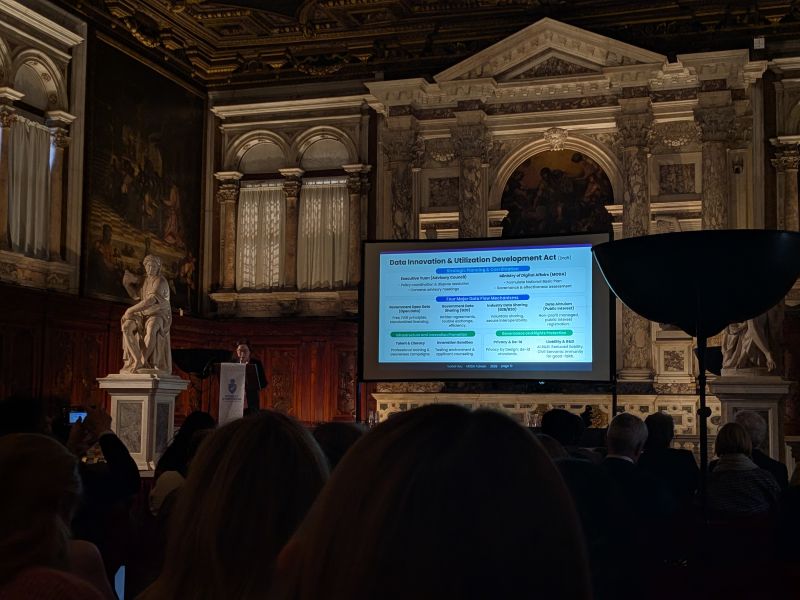
The Privacy Symposium held in June in Venice. Recognised as one of Europe’s leading forums for privacy, data protection, governance and emerging technologies, the event brought together experts from around the world to discuss the challenges and opportunities shaping our digital future.
Bringing global perspectives together
Brendan, Managing Consultant at BluSpecs, joined the symposium as a speaker, contributing to discussions alongside policymakers, regulators, researchers and industry professionals.
The event brought together voices from across the public and private sectors. From data protection authorities and technology providers to academics and business leaders, participants explore how innovation can be encouraged while safeguarding fundamental rights and freedoms.
Privacy is no longer simply a compliance exercise. Increasingly, it is becoming the foundation of digital trust, organisational resilience and sustainable innovation.
The growing importance of AI and Data governance
The rapid adoption of artificial intelligence is transforming industries across the globe. From healthcare and financial services to education and public administration, organisations are exploring new ways to harness AI’s potential.
Yet with these opportunities come important questions. How do organisations ensure transparency in automated decision-making? How can accountability be maintained as AI systems become more complex? And what safeguards are needed to protect privacy and security?
Addressing these questions requires more than technological solutions alone. It demands collaboration across disciplines, sectors and borders. It also highlights the need for professionals who understand both the technical and human dimensions of digital transformation.