


INSTAR signs new MoU with TTC to advance EU-Japan digital cooperation
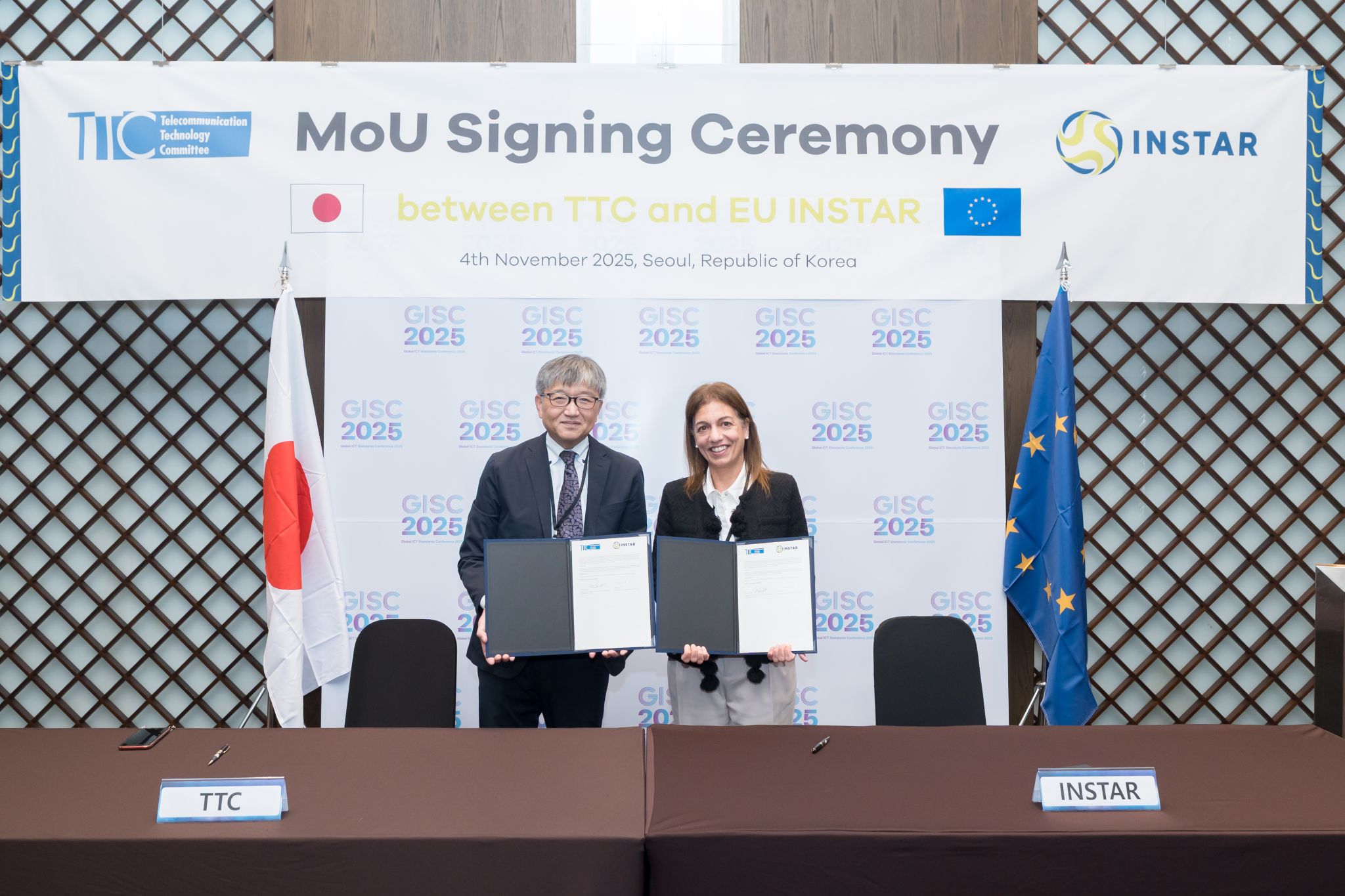
On 5th November 2025, INSTAR, an initiative we proudly coordinate, signed a Memorandum of Understanding (MoU) with the Telecommunications Technology Committee (TTC) of Japan, marking a new milestone in strengthening EU–Japan collaboration on international ICT standardisation. Building on INSTAR’s existing partnership with the Japan Business Council in Europe (JBCE), this MoU further anchors European and Japanese cooperation around shared priorities in areas such as Cybersecurity, 5G/6G, Cloud/Edge/IoT, Quantum and more.
GISC 2025 as a catalyst for the cooperation
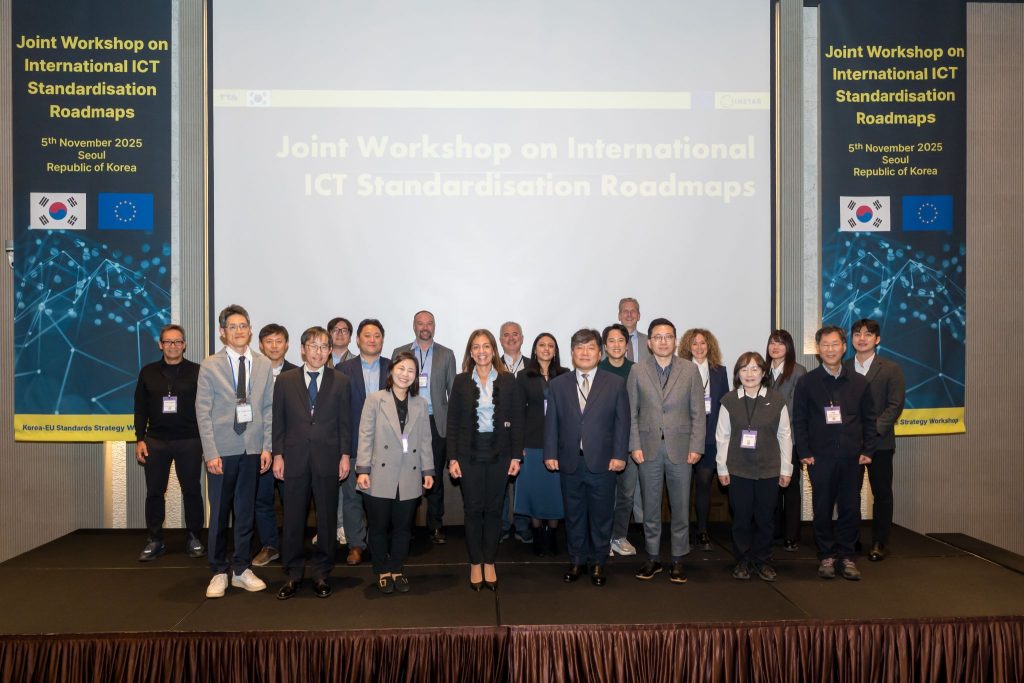
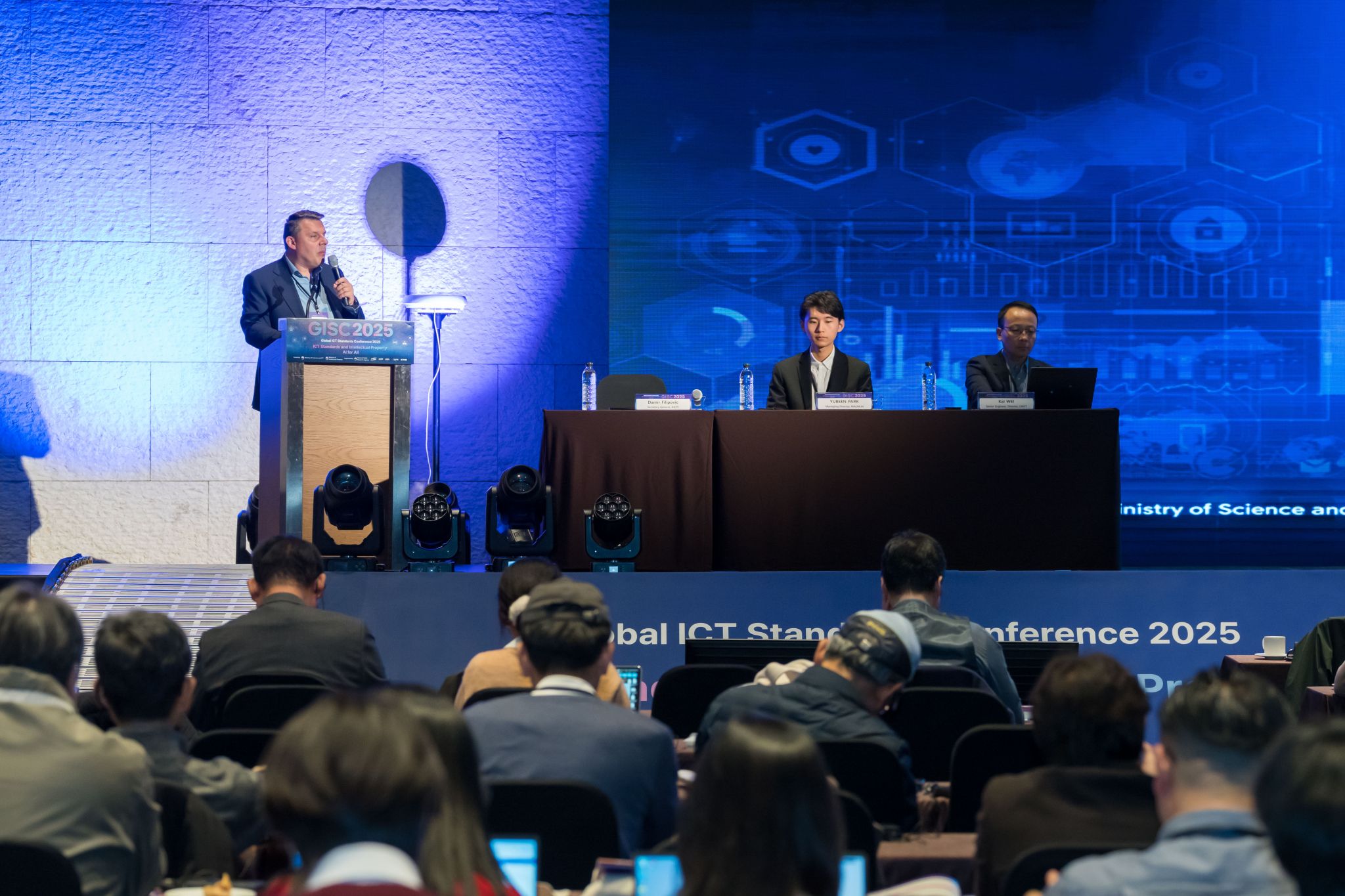
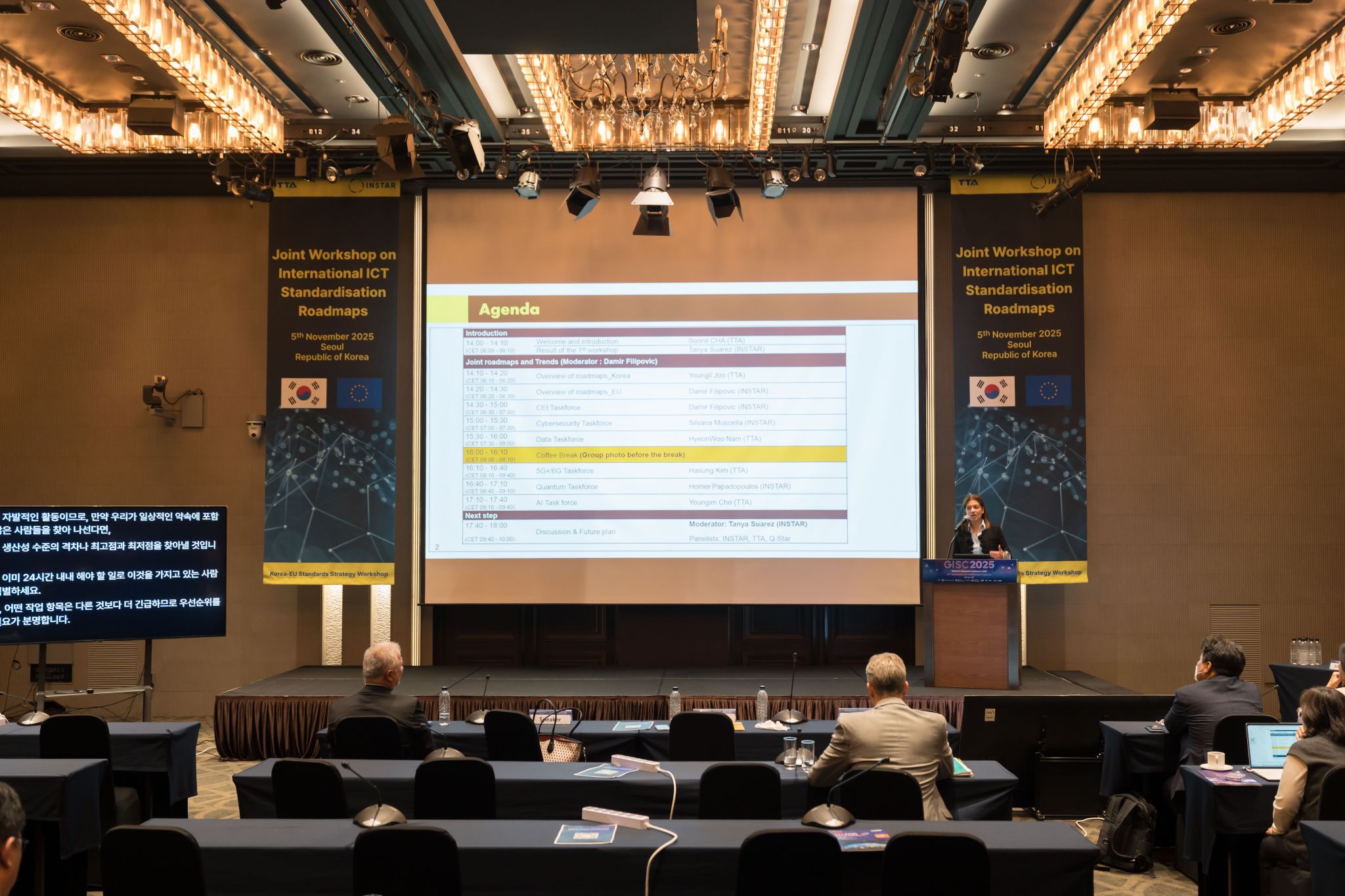
The signing took place in Seoul, Republic of Korea, during the Global ICT Standards Conference (GISC) 2025, which our CEO, Tanya Suarez, and TTC president, Hideyuki Iwata, attended in person. Throughout GISC, INSTAR and TTC contributed to common sessions on AI, 6G, quantum and standards strategy, using panels and workshops as a space to explore how EU and Japanese stakeholders can better align their technical priorities and standardisation roadmaps.
The global track of the conference, including seminars on global standards strategy and the Korea‑EU standards strategy workshop, acted as a practical meeting point where informal exchanges gradually evolved into structured discussions. These discussions ultimately paved the way for the MoU, providing a concrete framework to carry forward the newly launched collaboration into coordinated contributions in international SDOs.
The MoU reflects existing priority areas for collaboration, as outlined, in the EU-Japan Digital Partnership. With TTC bringing together leading Japanese industrial actors, standardisation experts and researchers, the agreement creates a practical framework to translate high‑level political commitments into coordinated technical work on standards.
A new International Task Force
As with all of INSTAR’s MoUs, the collaboration with TTC will be operationalised through a dedicated International Task Force (ITF), that will convene experts from Europe and Japan to exchange priorities across six pre-specified technology domains, map existing work in SDOs and identify gaps where joint action can add value.
This time, INSTAR will build on the priorities already identified with TTA in the Republic of Korea to accelerate the process and test which of these are also relevant in the Japanese context, with a view to fostering multilateral collaboration. The ITF will translate shared priorities into proposals, contributions or coordinated positions in international SDOs, ensuring European and Japanese stakeholders can act in a more coherent manner.
Supporting the EU–Japan Digital Partnership
The MoU with TTC directly supports the implementation of the EU–Japan Digital Partnership by providing a structured channel for technical and standardisation communities to work together below the political level. By framing cooperation around concrete topics and working items, the partnership helps ensure that policy discussions on issues such as (but not limited to) Trusted Data Flows, Secure Connectivity and Trustworthy AI are backed by interoperable, globally relevant standards.
For INSTAR, the agreement reinforces its mandate to act as a bridge between European standardisation experts and international partners, complementing existing collaborations with TTA in the Republic of Korea and JBCE on behalf of Japan. For TTC and its members, it opens a direct pathway to engage with European standardisation experts and potentially Working Groups (WGs).
Next steps
The main output of the INSTAR–TTC collaboration will be a set of joint Priorities for International Collaboration on Standards (PICS), capturing shared focus areas across the six agreed technology domains. These joint PICS will be presented at the INSTAR final event in the second quarter of 2026, shortly before the project ends in June 2026.
To ensure sustainability, BluSpecs is embedding the INSTAR–TTC relationship and related priorities into the project’s broader exploitation strategy, so that they can be picked up and further developed after the project formally closes. A concrete continuity plan, including potential host organisations and follow‑up mechanisms, is being prepared to allow the collaboration to deepen over time and to keep supporting EU–Japan and wider multilateral alignment on standards beyond 2026.